Your unit
Water coming through the ceiling? NYC water damage repair
Leak from the apartment above, a burst pipe or a soaked wall: tell us where it is coming from and an independent local repair provider can contact you.
- Leaks from the unit above
- Co-ops, condos, rentals, houses
- All five boroughs
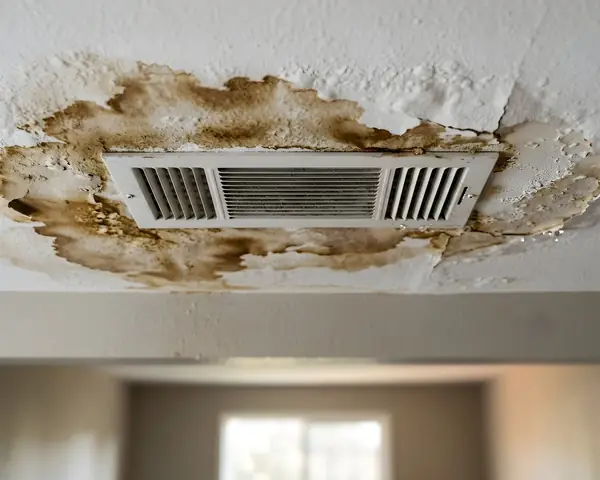
Ceiling
Unit above
- 5 boroughsManhattan, Brooklyn, Queens, the Bronx, Staten Island
- Co-op, condo, rentalWho repairs what depends on the buildingThe page explains how to find out.
- Not a contractorAn independent referral serviceA local provider does the work.
- You decideThe provider inspects and quotes, you choose
What gets repaired
What water damage repair covers in a New York apartment
Most water damage in a city apartment starts somewhere you cannot see: the unit above, a pipe inside the wall, a radiator valve or the riser that feeds every bathroom in the line. Each kind of job has its own page.
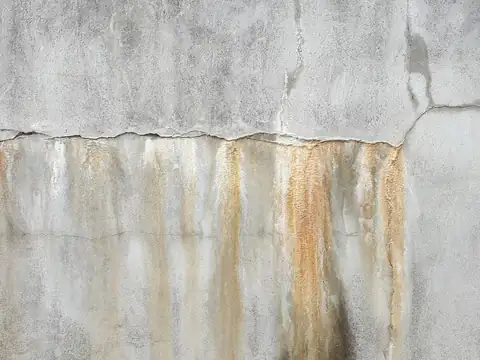
Ceiling leaks from upstairs
A brown ring, bubbled paint or a sagging patch under a neighbor’s bathroom: who to tell, what not to do under it, and how the ceiling is dried and patched.
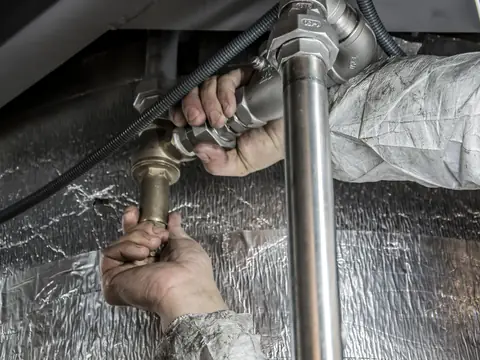
Leak detection and burst pipes
A wet wall with no drip in sight, a supply line that let go, a pipe that split in a freeze. Finding the wet area with meters, then the split between plumber and drying crew.
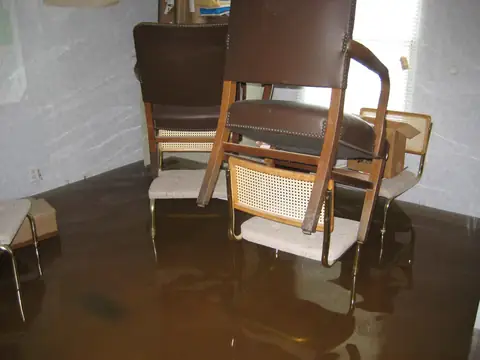
Emergency water removal
Standing water on the floor right now: the shut-off, the power, what extraction gear does, and why the clock on drying starts at once.
Water damage restoration
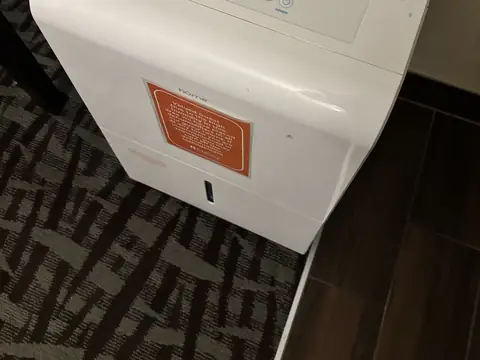
The whole job in order: extraction, air movers and dehumidifiers, moisture readings, cutting out what cannot be saved, and the rebuild.
Mold after a leak
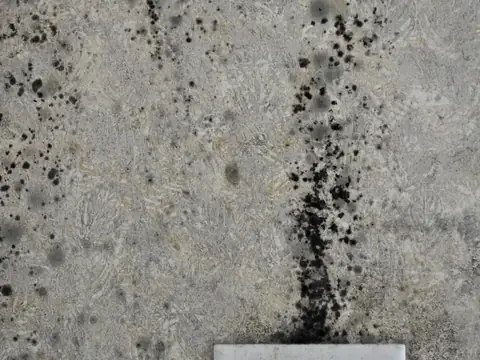
When a small patch can be cleaned at home, when New York law calls for a separate assessor and remediator, and what owners of larger buildings must do.


Right now
A leak from upstairs: what to do first

Knock on the door above, then tell the super
Water from a neighbor’s tub, toilet or washing machine stops fastest at its source. The super or the managing agent can shut a riser or a line valve you cannot reach.
Turn off power to wet lights and outlets
Switch the circuit off at the panel only if you can reach it from a dry spot. Never touch a switch or plug while standing in water.
Catch the water and keep clear of a bulging ceiling
Put a bucket under the drip and keep everyone out from under a sag. Let the super or the provider deal with a bulge full of water.
Photograph the ceiling, the floor and anything that got wet
Before you move or throw anything away. The building, the neighbor and any insurer will ask for them.
Send the request
Say where the water is coming from, your borough and your building, and a local provider can contact you.
Cellar
How a request works
You tell us where the water is coming from. A local provider takes it from there, and nothing happens without your yes.
Send the request
Your name, phone, where the water is coming from and the kind of building. It takes a minute.
A local provider can contact you
Your details go to an independent restoration provider serving New York City, who gets in touch with you directly.
They find the source and measure the moisture
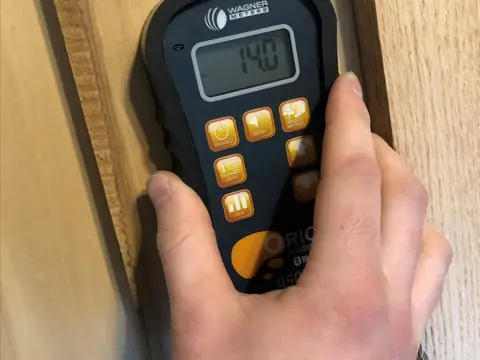
Expect a careful provider to check ceilings, walls and floors with a moisture meter, not by eye, so the wet area is mapped before anything is opened.
You decide on the repair
The provider quotes the work directly. Take it, ask questions, compare it, or say no.
Your building
Water damage in every kind of New York building
How water travels, and who repairs what, depends on the building you live in. Four boroughs have their own page.
Manhattan
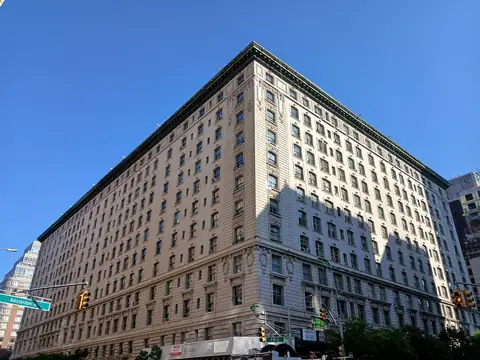
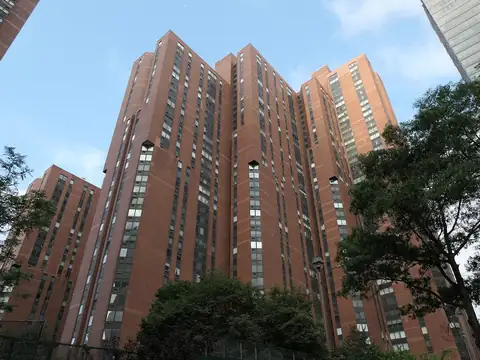
Pre-war co-ops and high-rises, where one riser runs past every bathroom in the line and a leak can cross several floors.
Brooklyn
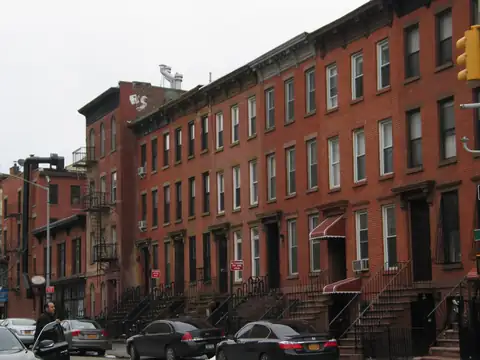
Brownstones, row houses and walk-ups, with old supply lines, top-floor leaks and garden-level apartments.
Queens
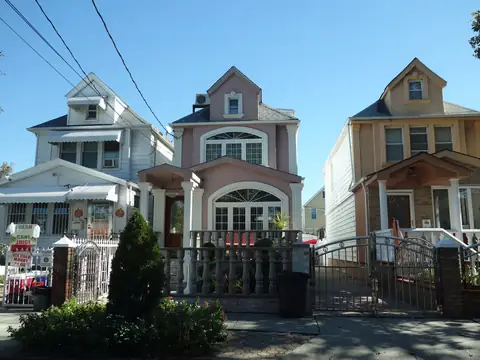
Garden co-ops, two-family houses and apartment buildings, with the same first steps and the same city rules.
The Bronx
Pre-war elevator buildings and rentals, where the city’s mold and leak rules for owners come up often.
Staten Island
Mostly one- and two-family houses: burst pipes, finished lower levels and the owner’s own repairs.



Who pays
Water damage repair in NYC starts with one question: where did the water come from?
In a house in the suburbs, water damage usually has one owner and one cause. In a New York apartment building it rarely does. The water on your ceiling may have started in a bathroom two floors up, run along a beam and come out above your kitchen. The pipe that burst may belong to the building, to your neighbor or to you. The repair itself is ordinary work: stop the water, dry the structure, take out what cannot be saved and put the room back. What makes water damage repair in NYC harder is everything around it: the super, the managing agent, the board, the neighbor, the landlord and, sometimes, the city.
NYC Water Damage Repair is an independent referral service, not a restoration company. When you send the form, your details go to an independent local restoration provider serving New York City, who can contact you, inspect and quote any work directly. You decide whether to hire them. This page explains what to do first, how the repair runs and how to work out who is responsible, so the first conversation with the provider is a short one.
If water is coming through the ceiling now, start with the page on ceiling leak repair in NYC. If there is standing water on the floor, read emergency water removal in NYC. If a wall is wet and nobody can find the drip, the page on leak detection in NYC explains how the wet area is traced. The full drying and rebuild process is on the page about water damage restoration in NYC, and the mold that can follow a slow leak has its own page on mold remediation in NYC.
Water still coming in? Tell us where it is coming from and a local provider can contact you.
Who pays when the water comes from upstairs
There is no single answer, and anyone who gives you one before seeing your building’s papers is guessing. In a co-op, the proprietary lease sets out what the corporation repairs and what the shareholder repairs, though the city’s housing code can still put some repairs on the corporation. In a condo, the declaration and by-laws govern who repairs the units. In a rental, the lease and the city’s rules for owners apply. Ask the managing agent for the relevant section before any work starts, and keep a copy.
The trade standard for water damage work, the IICRC S500, puts finding and correcting the cause of the water on the property owner, not on the restoration company. In practice that means two separate jobs: a plumber or the building’s staff fixes the pipe, the toilet or the valve, and the restoration provider dries and repairs the damage it caused. Knowing which is which helps when the bills arrive.
From the unit above
When a leak started in a neighbor’s apartment, write down what you saw and when, take photos, and ask the managing agent for the incident report and the plumber’s note on the source. Those three papers are what later questions usually turn on.
Renters and the city’s rules
New York City’s Health Department says owners of buildings with three or more apartments must keep tenants’ homes free of mold, and that this includes safely repairing underlying problems like water leaks. Local Law 55 of 2018 puts the same duty on owners of buildings with three or more apartments. HPD’s advice to tenants is plain: if you see a leak or signs of mold, notify your landlord, and if the landlord does not fix it, file a complaint online or call 311. A leak on a street or sidewalk is a different report: 311 takes it and DEP acts on it.
Insurance, as general information
Nothing here is a promise about any policy. Two things are worth knowing. First, a leak from a pipe or from the apartment above is not the same as a flood: FloodSmart, the federal flood insurance program’s site, defines a flood as an excess of water on land that is normally dry, affecting two or more acres or two or more properties, and it says most homeowners insurance does not cover flood damage. Second, whatever your policy covers, the insurer will want photos taken before anything was moved and a record of the cause. Check your own policy or ask your agent before work starts.
What a water damage repair involves, in order
Every provider has its own way of working, but a sound repair follows the same order. Ask about each step when the provider can contact you.
- Stop the source. Nothing else matters while water is still coming in. The building or a plumber deals with the pipe, the valve or the fixture.
- Make it safe. Power off to wet circuits, people kept out from under a bulging ceiling, wet rugs and furniture moved out of the way.
- Remove the water. Standing water is extracted, not mopped for days.
- Measure. A moisture meter maps how far the water spread inside ceilings, walls and floors, which is usually further than the stain.
- Dry. Air movers and dehumidifiers run until the readings come down. EPA’s guidance is to dry water-damaged areas and items within 24 to 48 hours to prevent mold growth.
- Remove what cannot be saved. Soaked insulation, swollen trim or drywall that will not dry is cut out.
- Rebuild. Patch, skim, prime and paint, and floors repaired, only once the structure reads dry.
Water is not all the same. The S500 sorts it into three categories by how contaminated it is, considering both where it came from and what it touched on the way. Category 3, grossly contaminated water, includes sewage and wasteline backflows. A drip from a clean supply line is a very different job from an overflowing toilet, and the provider decides which it is on inspection.
Before anyone arrives: the few things that matter
Most of the damage in a leak happens slowly, so a few calm minutes now pay off. Keep away from a ceiling that sags or bulges, and from wet light fixtures. The CDC’s guidance is to switch off the main power only if you can reach the panel from a dry spot, and never to turn power on or off, or use an electric tool or appliance, while standing in water. If you smell gas, leave at once.
Lift what you can off a wet floor: rugs, books, boxes, anything stored under the bed. Open closet doors and cabinets so the air reaches them. Then send the request: where the water is coming from, your borough and your building.
Ask the managing agent
- The incident report for the leak
- The plumber’s note on where the water came from
- The proprietary lease, by-laws or lease section on repairs
- The neighbor’s insurance details
Questions
Questions New Yorkers ask about water damage
Short answers. More are on the questions page.
Is NYC Water Damage Repair a restoration company?
No. NYC Water Damage Repair is an independent referral service, not a restoration company. When you send the form, your details go to an independent local restoration provider serving New York City, who can contact you, inspect and quote any work directly. You decide whether to hire them.
What should I do right after water damage?
Stop the source if you can, or get the super to. Keep away from wet electrics and from a sagging ceiling. Photograph everything before you move it. Then get the area dried: EPA advises drying water-damaged areas within 24 to 48 hours to prevent mold.
Who is responsible for a leak from an upstairs apartment?
It depends on where the leak started and on your building’s papers: the proprietary lease in a co-op, the declaration and by-laws in a condo, the lease in a rental. Ask the managing agent for the incident report and the plumber’s note on the source. See ceiling leak repair.
How do I report a water leak in NYC?
Inside your apartment, tell your landlord or managing agent first. HPD advises tenants to file a complaint online or call 311 if the landlord does not fix it. A leak on a street or sidewalk goes to 311, and DEP acts on it.
Is a ceiling leak an emergency?
A ceiling that is dripping hard, sagging or near a light fixture should be treated as one: power off to that circuit, a bucket under it, nobody standing beneath it. A dry old stain can wait for a proper look.
What is water damage repair called?
The trade splits it in two. Mitigation stops the damage spreading: water out, drying, removing what cannot be saved. Restoration puts the room back. The water mitigation page explains the difference.
Can I paint over a water stain once it dries?
Only once a moisture meter says the ceiling or wall is dry and the leak is fixed. Paint over damp plaster and the stain can come back. EPA also says moldy surfaces should not be painted over: clean and dry them first.
Is it free to send the form?
Yes. Sending the form costs nothing and you never have to hire anyone. The provider quotes any work directly.
Ground floor
Ceiling still dripping? Tell us which floor.
Name, phone and borough are enough to start. An independent local provider can contact you.
NYC Water Damage RepairFive boroughs