The Bronx
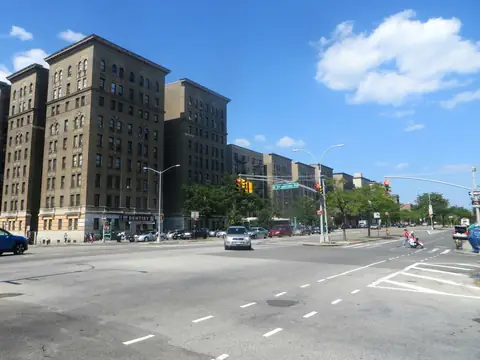
The Bronx is full of pre-war apartment buildings: the elevator buildings along the Grand Concourse, the courtyard buildings of Highbridge, Fordham and Kingsbridge, the co-ops of Riverdale, the condos of Parkchester and walk-ups across the South Bronx. Many households here rent, which shapes what water damage restoration in the Bronx looks like. For many tenants the first question is not how to dry a wall, but how to get the owner to fix the leak.
NYC Water Damage Repair is an independent referral service, not a restoration company. When you send the form, your details go to an independent local restoration provider serving New York City, who can contact you, inspect and quote any work directly. You decide whether to hire them.
If you rent: the owner’s duties
The city’s rules here are plain. New York City’s Health Department says owners of buildings with three or more apartments are required to keep tenants’ homes free of mold, and that this includes safely repairing underlying problems like water leaks. Local Law 55 of 2018 requires owners of buildings with three or more apartments to keep apartments free of mold and pests, including safely fixing the conditions that cause them, and HPD says owners must inspect units every year and respond to tenant or HPD complaints.
What a tenant should do
- Stop what you can safely stop. Knock upstairs; tell the super. Switch off power to anything wet only from a dry spot: the CDC says never to turn power on or off while standing in water.
- Notify the landlord in writing, with the date, and keep a copy.
- Photograph the leak and the damage, and keep taking photos if it continues.
- If it is not fixed, or the repair is not being done safely, HPD says to file a complaint online or call 311.
- Clean small mold patches safely while you wait: for 10 square feet or less, the Health Department says to keep children and pets away, use soap and water on hard surfaces, wear waterproof gloves and dry completely. If it comes back quickly, report it again: there may be a leak behind it.

Mold in larger Bronx buildings
If your building has 10 or more units, HPD says that whenever there is more than 10 square feet of mold, the owner must use a New York State Department of Labor licensed mold assessor and a licensed remediator who are completely independent of each other. That is the owner’s obligation, not the tenant’s. The page about mold remediation in NYC explains what the work involves.
If you own: a co-op, a house or a small building
Owners of co-op and condo apartments in Riverdale, Parkchester and elsewhere should check the building’s documents (the proprietary lease in a co-op, the declaration and by-laws in a condo) and ask the managing agent who repairs what. Owners of houses and small buildings in Throgs Neck, Pelham Bay, Morris Park or City Island carry the repair themselves. The restoration standard, the IICRC S500, puts finding and fixing the cause of the water on the property owner: a plumber fixes the pipe, a restoration provider dries and repairs. EPA’s guidance is to dry water-damaged areas within 24 to 48 hours to prevent mold growth, so arrange both quickly.

Radiators and heating pipes
Many older Bronx buildings are heated by steam or hot water. A radiator valve that weeps, a leaking air vent or a pipe joint can drip slowly for a long time before a stain shows in the ceiling below. These are usually building systems: tell the super, and keep the radiator area dry and clear until it is fixed.
Where to start
Water through the ceiling: ceiling leak repair in NYC. A wet wall and no drip: leak detection in NYC. The full process: water damage restoration in NYC.
Water damage in the Bronx? Send the request and a local provider can contact you.
Questions people ask
My landlord will not fix a leak. What can I do?
Notify the landlord in writing and keep photos. HPD says that if the landlord does not fix the hazard, or the repair is not being done safely, you can file a complaint online or call 311.
Does my landlord have to fix mold?
In buildings with three or more apartments, yes. The Health Department and Local Law 55 require owners to keep apartments free of mold, including fixing the leaks behind it.
Can I hire a restoration provider as a tenant?
You can ask for help with your own belongings. Under the city’s rules above, owners must safely repair leaks and the mold they cause in buildings with three or more apartments, so tell the landlord first and keep a record.
Is this site a Bronx restoration company?
No. NYC Water Damage Repair is an independent referral service. Your details go to an independent local restoration provider, who quotes any work directly.
Water coming in?
Tell us where it is coming from and a local provider can contact you.
NYC Water Damage RepairFive boroughs