Staten Island
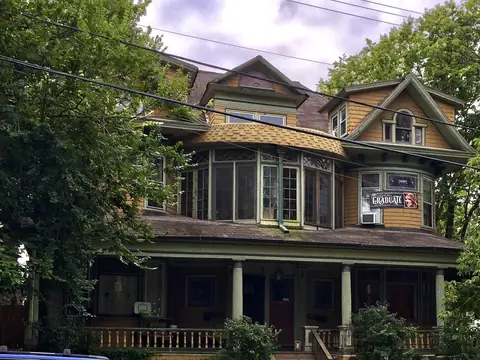
Staten Island is the borough of houses. Detached and semi-detached homes in Great Kills, Tottenville and Annadale, two-family houses in New Dorp and Dongan Hills, older frame houses on the North Shore around St. George and Port Richmond, and townhouse rows built in the last few decades. For most owners here, water damage restoration on Staten Island means their own house, their own pipes and their own decisions, without a super or a managing agent to call first.
NYC Water Damage Repair is an independent referral service, not a restoration company. When you send the form, your details go to an independent local restoration provider serving New York City, who can contact you, inspect and quote any work directly. You decide whether to hire them.
A burst pipe in a house: the first steps
- Shut the main. Know where it is before you need it: usually where the water line enters the house near the meter.
- Make it safe. The CDC’s guidance is to switch off the main power only if the panel can be reached from a dry place, and never to touch switches, plugs or electric tools while standing in water. If you would have to wade to the panel, call an electrician.
- Open a faucet on the lowest floor to drain the lines.
- Photograph everything before cleanup.
- Get the water out and the drying started. EPA’s guidance is to dry water-damaged areas and items within 24 to 48 hours to prevent mold growth.
As the owner, fixing the cause is yours: the restoration standard, the IICRC S500, puts it on the property owner, not the restorer. A plumber repairs the pipe; a restoration provider extracts, dries and repairs the damage. The page on leak detection in NYC explains how a hidden leak is traced.

Finished lower levels
A finished lower level with carpet, drywall and furniture holds water badly. Water from a burst pipe or a water heater can usually be dried if the work starts fast; carpet pad, insulation and the bottom of the drywall often have to come out. Water that came in from outside, or up through a floor drain, is different: EPA says that if the damage was caused by sewage or other contaminated water, call in a professional who has experience cleaning buildings damaged by contaminated water.
Keeping water out: the owner’s rules
- Downspouts. NYC DEP says it is mandatory for homeowners to make sure downspouts are disconnected from the city’s sanitary sewer, because those connections can cause sewer backups in basements. DEP’s guidance is to redirect the water at least 6 feet from the foundation; non-compliance may result in fines.
- Backwater valves. FloodHelpNY describes gate, ball and flapper types, and says a plumber or engineer can tell you which, if any, suits your home.
- Filling a basement. FloodHelpNY says it needs an engineer and a permit from the NYC Department of Buildings.

Storms and flood insurance
Staten Island remembers Superstorm Sandy. The city’s Health Department reports that most of the 52 injury deaths in the city took place along the coasts in zones where the mayor had ordered an evacuation, and Staten Island accounted for 44 percent of them. Water from a storm surge or a flood is not a leak, and FloodSmart, the federal flood insurance site, says most homeowners insurance does not cover flood damage. Check your own policy or ask your agent. This site is about leaks and water damage from inside the house; water from outside needs a different first response.
Mold after a leak
A lower level that stays damp can grow mold. For a patch of about 10 square feet or less, EPA says you can in most cases handle it yourself; for more, and for the rules in larger buildings, see mold remediation in NYC. For the whole job, see water damage restoration in NYC.
Water damage in a Staten Island house? Send the request and a local provider can contact you.
Questions people ask
Where is the main water shut-off in a house?
Usually where the water line enters the house, near the meter, often on the lowest floor. Find it and label it before you need it.
Can a wet finished lower level be saved?
Often, after a clean-water leak dried quickly. Carpet pad, insulation and the bottom of the drywall commonly come out. Water from outside or from a drain is a job for a professional, EPA says.
Does homeowners insurance cover flood?
FloodSmart says most homeowners insurance does not cover flood damage and that only flood insurance covers rebuilding after a flood. Check your own policy or ask your agent.
Is this site a Staten Island restoration company?
No. NYC Water Damage Repair is an independent referral service. Your details go to an independent local restoration provider, who quotes any work directly.
Water coming in?
Tell us where it is coming from and a local provider can contact you.
NYC Water Damage RepairFive boroughs